Here are the research projects examining potential therapies that Citrin Foundations is currently funding and has previously funded.
You can click on the Principal Investigator’s name to read their full biography.
Ongoing Projects
Professor Julien Baruteau
University College London Great Ormond Street Hospital, UK
Citrin deficiency (CD) presents with a heterogeneous age-dependent clinical presentation, which ranges from asymptomatic presentation to severe medical complications (e.g. cholestasis, hypoglycaemia, hyperammonaemia, liver cirrhosis, hepatocellular carcinoma)(1). Although dietary approaches can be beneficial in most cases(2), the only cure remains liver transplantation.
Messenger RNA (mRNA) encapsulated in lipid nanoparticles (LNP) is efficiently uptaken by hepatocytes and is the leading strategy of non-viral gene therapy(3). Liver-targeting mRNA therapy has shown proof of concept in various preclinical liver inherited metabolic diseases and is assessed in early-stage clinical trials for these pediatric liver monogenic diseases(4). mRNA therapy has shown limited efficacy in a CD mouse model, which recapitulates some features of the human CD phenotype(5). The versatility of using a transient therapy like LNP-mRNA would particularly suit CD, as the dose could be adjusted to physiologic needs according to patients’ age and observed phenotype.
The aims of this project are:
-
- To characterise a novel CD mouse model (liver-conditional aralar knockout and systemic citrin knock-out mouse)
- To show extensive proof of concept of mRNA therapy in CD mice with mild and advanced liver disease, without and with hyperammonemia to pave the way for a translational programme.
If successful, this work aims to pioneer translation of non-viral mRNA gene therapy for CD patients.
Please find the list of references here.
Professor Yukio Nagasaki and Asst. Professor Yuta Koda
University of Tsukuba, Japan
Amino acids are not only proteins that are responsible for the constituents of living organisms such as muscles and enzymes, but also important factors that are responsible for various physiological reactions in living organisms. For example, arginine is involved in angiogenesis and induction of apoptosis by producing NO as a substrate for nitric oxide synthase (NOS), and ornithine is involved in ammonia metabolism by the urea cycle in the liver. Despite these various physiological effects, amino acids are highly water-soluble and have low molecular weight, so even if they are orally administered, they are hardly taken up in the blood and are excreted extremely rapidly, making effective use difficult.
In order to solve these problems, we have started a novel amino acids delivery system by molecular assembling of poly(amino acid) nanoparticles (NanoAA). After the administration of NanoAA, it is metabolized slowly to generate the corresponding amino acid and supply sustainedly to the body. This system improved amino acid therapy. We have confirmed so far Nanoarginine, Nanoorthinine and NanoL-DOPA for cancer, acute liver failure, and Parkinson’s disease therapies, respectively. Here, we would like to propose a new target, citrin deficiency therapy by our new NanoAA.

(Updated June 2022)
Concluded Projects
Professor Jorgina Satrústegui
Universidad Autónoma de Madrid, Spain
Gene therapy for Citrin deficiency. A proof of principle
CTNL2 is caused by mutations in citrin/SLC25A13/AGC2, the liver isoform of the mitochondrial aspartate-glutamate carrier (AGC). At present treatment of CTNL2 consists of a lifelong dietary control or hepatic transplant. Gene therapy with non-mutated citrin/AGC2 may produce an immune reaction in some patients, especially when the mutation is nonsense and no protein at all is expressed by the patient’s cells.
Our aim is to test the possibility that citrin/AGC2 can be replaced by the isoform of the carrier that is present in brain and skeletal muscle, aralar/AGC1. Because aralar/AGC1 is a protein expressed normally in the patients, it is not expected to trigger an immune response. Both proteins perform the same metabolite exchange between mitochondrial matrix and cytosol and play a role in the malate-aspartate shuttle. However, tissue specific requirements for correct expression and function for AGCs in liver may exist and this would prevent a correct function of AGC1 in liver. The aim of the present project financed by CITRIN foundation and to be carried out in collaboration with Prof. Saheki is to test the feasibility of citrin/AGC2 substitution with aralar/AGC1 by generating a liver specific aralar transgenic mouse in which functional testing may be carried out. Transgenic mouse generation is now underway.
Citrin deficiency is caused by mutations in citrin/SLC25A13/AGC2, the liver isoform of the mitochondrial aspartate-glutamate carrier (AGC).
As components of the malate aspartate shuttle (MAS), AGCs participate in the transfer of redox equivalents of NADH to mitochondria, and allow the mitochondrial export of aspartate to the cytosol. This is critical for the urea cycle and for the synthesis of proteins and nucleotides. Aspartate efflux from liver mitochondria is disrupted in citrin deficient patients due to mutations in citrin/AGC2. As a consequence: i) No aspartate is available in the cytosol for the activity of the urea cycle enzyme argininosuccinate synthetase (ASS), with a decrease in ureogenesis and accumulation of citrulline in plasma. ii) MAS disruption with failure of gluconeogenesis from lactate and low pyruvate levels.
Our hypothesis is that restoring mitochondrial aspartate transport in citrin deficient patients with wild type AGC will overcome the subsequent metabolic defects and become an effective therapy of affected individuals. As wild type citrin may behave as a foreign protein and trigger an immune response in citrin deficient patients who have no protein (nonsense mutations), we plan to test wild type aralar.
As proof of principle, the project financed by CITRIN foundation and carried out in collaboration with Prof. Saheki will allow to test the possibility of transgenic aralar/AGC1 to replace citrin/AGC2 in citrin-knock out mice (Sinasac et al., 2004; Contreras et al., 2010). Aralar/AGC1 and citrin/AGC2 have similar transport properties but aralar/AGC1 has lower activity and slightly different calcium regulation properties (Contreras et al., 2007; Palmieri et al., 2001). Aralar is expressed in many cell types, particularly in liver Kupffer cells (del Arco et al., 2002) and therefore it is unlikely that it would trigger an immune response.
Using a simple transgenic mouse with liver specific expression of aralar enables testing whether citrin can be replaced by aralar in the liver, which is the immediate aim of this project, particularly the effects of aralar/AGC1 in restoring MAS activity in citrin-deficient mouse liver mitochondria. So far, a vector with the coding sequence of aralar/AGC1 under the control of a strong hepatic promoter has been generated, and has been used to confirm the capacity of liver cell lines to successfully express aralar/AGC1 in mitochondria. The generation of the transgenic mice is underway.
Please find the list of references here.
(Updated August 2018)
Professor Masahide Yazaki
Shinshu University, Japan
A continuation of the clinical research study to seek for a new treatment method for CTLN2 led by Prof. Yazaki in Shinshu University in Japan. Citrin Foundation funds this clinical research.
This clinical research (*1) aims to study the efficacy and safety of oral administration of LOLA (L-Ornithine L-Aspartate) on CTLN2 patients and investigate the possibility of a new choice of treatment for CTLN2.
*1: Clinical Research is a medical study to be carried out with the purpose to seek for prevention of the onset, diagnosis method, improvement of treatment, understanding of the cause of sickness, and improvement in the quality of life of the patients.
Period:
Apr 1, 2019 to Sept 3, 2023
Method:
Oral administration of LOLA 3 to 6g 3 times a day after meal.
Flow:
In the beginning of the study, ten-day in-patient is required for the monitoring of the 1st LOLA administration. After 3 months of observation followed by the 1st in-patient, another 3-day in-patient is required. Oral administration of LOLA is to be continued for the total 6 months and there will be 4 out-patient visits during the period.
Fee:
This clinical research is supported by the study grant by Citrin Foundation.
Fee related to LOLA prescription, examination, in-patient fee including meals, and transportation from/to the hospital for the purpose of this study will be covered by the grant and there will be no financial burden on the participants.
LOLA will be provided to participants for 3 years after the study with free of charge if they wish.
Institutions:
Shinshu University Hospital
Osaka City University Hospital
Principle Investigator:
Dr. Masahide Yazaki, Shinshu University Hospital
Collaborating Principle Investigator:
Dr. Daisuke Tokuhara, Osaka City University Hospital
(Updated August 2022)
Professor Joseph Baur
University of Pennsylvania, USA
Introduction
The combination of citrin (aspartate-glutamate carrier 2, AGC2) deficiency and reductive stress blocks production of cytosolic aspartate (Asp). Citrin deficiency directly prevents export of Asp from the mitochondria to the cytosol. Under basal conditions, patients with citrin deficiency likely compensate via aspartate transaminase, which generates aspartate from oxaloacetate. However, this mechanism is sensitive to nicotinamide adenine dinucleotide (NAD+/NADH) redox status, as high NADH triggers conversion of oxaloacetate to malate, making it unavailable for conversion to Asp. Citrin is required for the malate-aspartate shuttle that maintains cytosolic redox status. Thus, it would be predicted that in the context of citrin deficiency, metabolites that generate cytosolic NADH, such as sugars and alcohol, would disrupt NAD+/NADH redox balance and cut off the supply of Asp, leading to hyperammonemia. This is borne out in animal models [1, 2] and by the pronounced tendency of citrin deficient patients to avoid these foods [3].
Nicotinamide riboside (NR) is a direct precursor to NAD+ that is orally available and can bypass the rate-limiting and most energetically costly step in NAD+ synthesis [4]. It is currently sold as a nutraceutical formulation and is being tested in human clinical trials based on promising results in mice for heart failure, diabetes, and cognitive disorders [5]. KL1333 is a synthetic substrate for NAD(P)H quinone dehydrogenase 1 (NQO1) [6, 7]. KL1333 and metabolites such as citrate or ethyl pyruvate can regenerate NAD+ from NADH, alleviating reductive stress in the cytosol. Thus, each of these interventions has the potential to restore metabolic homeostasis in the absence of citrin.
The goals of the proposal are:
- To develop standardized tests for prevention of acute hyperammonemia, treatment of acute hyperammonemia, and sustainable chronic treatments that confer metabolic resilience.
- Test nicotinamide riboside (NR) supplementation, an NAD(P)H quinone dehydrogenase (NQO1) substrate, citrate, and ethyl pyruvate in the above tests.
- To optimize promising treatments and/or test additional candidate therapies.
In addition to providing direct information on the candidate approaches that we have chosen, this work will result in the generation of a pipeline for testing and refining these and other interventions to guide the development of therapeutics for intervention in human patients.
Please find the list of references here.
Professor Gerald Schwank and Professor Johannes Häberle
University of Pennsylvania, USA and University Children’s Hospital Zürich, University of Zürich, Switzerland
Citrin deficiency caused by mutations in SLC25A13 is a monogenic liver disease affecting newborns, children and adults in quite variable ways While the disease is pan-ethnic and considered rare, its prevalence is much higher among Eastern Asian populations, peaking at a carrier rate of 1:65 in Japanese population. There is no cure available for this disease and patients are treated according to their type of presentation with a low-carbohydrate, lactose-free and MCT-enriched diet being the mainstay.
This research project follows the hypothesis that citrin deficiency can be ultimately treated using gene editing in the liver, where the main expression of the citrin protein is found. Accordingly, we aim for genetic correction of pathogenic SLC25A13 mutations in engineered hepatic cells, with proper characterization to demonstrate their capability to represent relevant biological functions of citrin and in patient derived hepatocyte-like cells, which will be basis for later correction in in vivo in animal models. We will be evaluating efficacy and accuracy of different genome editing technologies, such as base and prime editing, in correcting various pathogenic SLC25A13 mutations. Results from this project will form the basis for establishing gene editing therapies for citrin deficiency patients.
(Updated July 2022)
Professor Jorgina Satrústegui
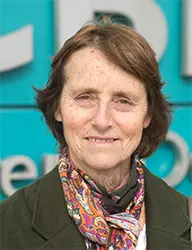 Professor Jorgina Satrústegui is a Professor of Biochemistry and Molecular Biology at the Centro de Biologia Molecular Severo Ochoa (CBMSO), of the Universidad Autónoma de Madrid, Spain.
Professor Satrústegui obtained her PhD in Madrid, carried out postdoctoral research in Massachusetts General Hospital (Harvard) and the Johnson Foundation (UPenn), and was appointed as Professor at the Autonomous University of Madrid in 1993. She leads a research laboratory which over the years focused on the study of a new system to transduce calcium signals to mitochondria, which relies on the use of calcium regulated mitochondrial carriers. These are:
- the aspartate-glutamate carriers, AGC1/ Aralar/ Slc25a12 and AGC2/ Citrin/ Slc25a13, components of the malate aspartate NADH shuttle; and
- the ATP-Mg/Pi carriers, SCaMC1/ APC1/ Slc25a24, SCaMC2/ APC3/ Slc25a25, and SCaMC3/ APC2/ Slc25a23 which participate in regulating the total adenine nucleotide content of mitochondria.
She is specifically interested in their role in transducing calcium signals to mitochondria in neurons, as compared to the role of the mitochondrial calcium uniporter, and she has addressed these studies with the help of knock-out (KO) mice. Another main concern of her lab is to understand the role of these carriers in human disease. Particularly, disease related to mutations in these carriers, such as AGC1 deficiency.
Professor Masahide Yazaki
 Neurologist and Professor, Department of Biological Sciences for Intractable Neurological Diseases, Institute for Biomedical Sciences, Shinshu University, Matsumoto, Japan.
Professor Masahide Yazaki graduated from Shinshu University School of Medicine, Matsumoto, Japan (M.D.) in 1992 and he graduated from the Graduate School of Medicine, Shinshu University in 1998 (Ph.D.). He worked as a neurologist in Shinshu University Hospital. In 1999, he moved to Department of Pathology and Lab Medicine, Indiana University, USA as a postdoctoral fellow to study the pathogenesis of protein-misfolding disease such as amyloidosis. He returned to Shinshu University in 2002, and became Associate Professor, Department of Neurology and Rheumatology, Shinshu University School of Medicine in 2011. In 2014, when the Institute for Biomedical Sciences was established in Shinshu University, he moved to Department of Biological Sciences for Intractable Neurological Diseases, Institute for Biomedical Sciences as an Associate Professor. There, he is continuing basic and clinical research on amyloidosis and citrin deficiency. In 2017, he was promoted to be a Professor at the School of Health Sciences and Institute for Biomedical Sciences, Shinshu University.
To date, Professor Yazaki has performed clinical and pathological studies of CTLN2 patients in Japan to elucidate the clinical pictures of CTLN2 and to establish the therapeutic strategy for CTLN2 patients.
Professor Yukio Nagasaki

Professor Yukio Nagasaki was born in 1959. He received his B.S. and Ph.D. degrees from the Engineering Department at the Tokyo University of Science in 1982, and 1987 respectively. He was previously affiliated with the Tokyo University of Science where he served as a Research Associate, Assistant Professor, Associate Professor, and Professor. In 2004, he moved to the Graduate School of Pure and Applied Sciences, University of Tsukuba where he has been appointed as Professor and Principal Investigator.
He has published more than 200 scientific papers and received several awards such as the Inoue Foundation Award for Distinguish Ph.D. Thesis (1990), SPSJ Mitsubishi Chemical Award (2010), The Award of Japanese Society for Biomaterials (2014), The Award of The Japanese for Ulcer Society (2014), The Nagai Award from The Japan Society of Drug Delivery System (2015), and Polymer Society award, Japan (2017).
He is now focusing on the development of “self-assembling drugs” supported by the MEXT budget (Grant #19H05458). He developed a nano-particle type antioxidant, which presents the mitochondrial dysfunction of normal cells and works effectively on oxidative stress-related diseases such as Alzheimer’s disease and cancers. Based on this mechanism, he started to create a new concept on self-assembling drugs, which can improve their therapeutic effect and/or decrease their adverse effects, which cannot obtain by only simple compounds. Using this concept, he is now developing versatile drugs based on amino acids and short-chain fatty acids.
Professor Gerald Schwank
 Dr. Gerald Schwank obtained his PhD at the University of Zürich in 2009. As a postdoctoral fellow he joined the team of Hans Clevers at the Hubrecht Institute, where he established genome editing approaches in adult stem cell systems.
In 2014 he started his own laboratory at ETH Zürich, where his team was dedicated to the establishment of CRISPR-based genetic tools to study human disease mechanisms. More recently the Schwank laboratory shifted its focus on the development of in vivo genome editing approaches to cure monogenic diseases of the liver and brain.
In 2020 Gerald Schwank was appointed as Associate Professor at the University of Zürich, where he and his team continue to pursue their goal of generating novel genome editors and translating these technologies from bench to bedside.
Professor Johannes Häberle
 Professor Johannes Häberle is a pediatrician, neonatologist and intensive care specialist, and a senior metabolic consultant at the University Children’s Hospital in Zürich. He is an Assistant Professor for Pediatrics at the University of Zürich, and Head of the Metabolic Laboratory at the University Children’s Hospital.
Professor Häberle is chairperson of the European working group for Guidelines for the Diagnosis and Treatment of Urea Cycle Disorders, and a member of the Executive and Scientific Boards of the European Registry and Network for Intoxication Type Metabolic Diseases (EIMD). He is Chair of the Society for the Study of Inborn Errors of Metabolism (SSIEM) Education And Training Advisory Committee (ETAC) and Council member of the SSIEM.
His research focusses on inherited defects of ureagenesis and on the development of novel treatment options for urea cycle disorders. Current projects are supported by the Swiss National Science Foundation, the University Research Priority Program (URPP) ITINERARE of the University Zürich, and other private foundations.
Professor Joseph Baur

Joseph Baur is a Professor in the Department of Physiology and the Institute for Diabetes, Obesity, and Metabolism at the Perelman School of Medicine of the University of Pennsylvania. He has made key contributions to the understanding of how metabolism and dietary factors influence longevity.
In 2006, Dr. Baur and colleagues showed that a small molecule, resveratrol, is able to improve insulin sensitivity and ameliorate premature mortality in obese mice. He led a team that revealed a mechanism accounting for off-target effects of rapamycin, a drug that extends life in mice, but has side effects that limit its utility in humans. His laboratory at Penn is currently focused on the use of small molecules to understand and mimic the health-promoting effects of caloric restriction in rodents.
Within this area, a central focus of the lab is on understanding how changes in nicotinamide adenine dinucleotide (NAD+) metabolism contribute to aging, obesity, and disease. The Baur lab employs genetic models, isotopic labeling strategies, and metabolomics to probe the pathways by which NAD+ is synthesized and influences whole-body metabolism. The lab also has a strong interest in compartmentalization of NAD+ pools and was among several to recently co-discover the mitochondrial NAD+ transporter SLC25A51. Dr. Baur has co-authored more than one hundred peer-reviewed publications, as well as several book chapters and numerous invited commentaries and reviews.
Professor Julien Baruteau
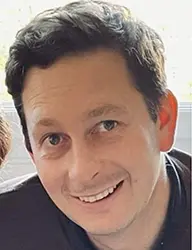
Professor Julien Baruteau is an MRC Clinician Scientist Fellow at University College London Great Ormond Street Institute of Child Health, and Consultant in Metabolic Medicine at Great Ormond Street Hospital for Children (GOSH) in London.
He graduated in Pediatrics from Toulouse University, France in 2008. He then specialised in Pediatric Inherited Metabolic Medicine in Paris and Toulouse. He joined the Metabolic Medicine Department at GOSH in 2012. He has been granted various fellowships from Action Medical Research (2013-2016), GOSH Charity (2017), National Institute for Health Research GOSH Biomedical Research Centre (2018-2019) and the Medical Research Council to conduct his research (2020-present). He received his PhD in Gene Therapy at UCL in 2017 under the supervision of Prof Simon Waddington.
His research focuses on studying the pathophysiology and developing novel therapies for inherited metabolic diseases. His group works on the pathophysiology of hepatic and cerebral arginine deficiency. He has developed gene therapy using both viral and non-viral vectors and is the UK chief investigator in first-in-human gene therapy clinical trials. He has expertise in translating academic and industry-led programmes of gene therapies. He is the member of experts’ committees from the European Society of Gene and Cell Therapy (2023-present) and the European Society of Human Genetics (2023-present).
References
Contreras, L., P. Gomez-Puertas, M. Iijima, K. Kobayashi, T. Saheki, and J. Satrustegui. 2007. J Biol Chem. 282:7098-106.
Contreras, L., A. Urbieta, K. Kobayashi, T. Saheki, and J. Satrustegui. 2010. J Neurosci Res. 88:1009-16.
del Arco, A., J. Morcillo, J.R. Martinez-Morales, C. Galian, V. Martos, P. Bovolenta, and J. Satrustegui. 2002. Eur J Biochem. 269:3313-20.
Palmieri, L., B. Pardo, F.M. Lasorsa, A. del Arco, K. Kobayashi, M. Iijima, M.J. Runswick, J.E. Walker, T. Saheki, J. Satrustegui, and F. Palmieri. 2001. EMBO J. 20:5060-9.
Sinasac, D.S., M. Moriyama, M.A. Jalil, L. Begum, M.X. Li, M. Iijima, M. Horiuchi, B.H. Robinson, K. Kobayashi, T. Saheki, and L.C. Tsui. 2004. Mol Cell Biol. 24:527-36.
References
J. Kido, G. Makris, S. Santra, J. Haberle, Clinical landscape of citrin deficiency: A global perspective on a multifaceted condition. J Inherit Metab Dis, (2024).
K. Hayasaka, C. Numakura, K. Toyota, S. Kakizaki, H. Watanabe, H. Haga, H. Takahashi, Y. Takahashi, M. Kaneko, M. Yamakawa, H. Nunoi, T. Kato, Y. Ueno, M. Mori, Medium-chain triglyceride supplementation under a low-carbohydrate formula is a promising therapy for adult-onset type II citrullinemia. Mol Genet Metab Rep 1, 42-50 (2014).
P. Berraondo, P. G. V. Martini, M. A. Avila, A. Fontanellas, Messenger RNA therapy for rare genetic metabolic diseases. Gut 68, 1323-1330 (2019).
D. Koeberl, A. Schulze, N. Sondheimer, G. S. Lipshutz, T. Geberhiwot, L. Li, R. Saini, J. Luo, V. Sikirica, L. Jin, M. Liang, M. Leuchars, S. Grunewald, Interim analyses of a first-in-human phase 1/2 mRNA trial for propionic acidaemia. Nature 628, 872-877 (2024).
J. Cao, D. An, M. Galduroz, J. Zhuo, S. Liang, M. Eybye, A. Frassetto, E. Kuroda, A. Funahashi, J. Santana, C. Mihai, K. E. Benenato, E. S. Kumarasinghe, S. Sabnis, T. Salerno, K. Coughlan, E. J. Miracco, B. Levy, G. Besin, J. Schultz, C. Lukacs, L. Guey, P. Finn, T. Furukawa, P. H. Giangrande, T. Saheki, P. G. V. Martini, mRNA Therapy Improves Metabolic and Behavioral Abnormalities in a Murine Model of Citrin Deficiency. Mol Ther 27, 1242-1251 (2019).
References
Saheki, T., et al., Citrin/mitochondrial glycerol-3-phosphate dehydrogenase double knock-out mice recapitulate features of human citrin deficiency. J Biol Chem, 2007. 282(34): p. 25041-52.
Saheki, T., et al., Oral aversion to dietary sugar, ethanol and glycerol correlates with alterations in specific hepatic metabolites in a mouse model of human citrin deficiency. Mol Genet Metab, 2017. 120(4): p. 306-316.
Kido, J., et al., Clinical manifestation and long-term outcome of citrin deficiency: Report from a nationwide study in Japan. J Inherit Metab Dis, 2022.
Trammell, S.A., et al., Nicotinamide riboside is uniquely and orally bioavailable in mice and humans. Nat Commun, 2016. 7: p. 12948.
Yoshino, J., J.A. Baur, and S.I. Imai, NAD(+) Intermediates: The Biology and Therapeutic Potential of NMN and NR. Cell Metab, 2018. 27(3): p. 513-528.
Seo, K.S., et al., KL1333, a Novel NAD(+) Modulator, Improves Energy Metabolism and Mitochondrial Dysfunction in MELAS Fibroblasts. Front Neurol, 2018. 9: p. 552.
Lee, H.S., et al., KL1333, a derivative of beta-lapachone, protects against cisplatin-induced ototoxicity in mouse cochlear cultures. Biomed Pharmacother, 2020. 126: p. 110068.
All publications that have been supported by the Foundation can be found on the Publications page.