Citrin Foundation
Citrin Foundation
Research
Support
Cure
Research
Support
Cure
Who we are
Citrin Foundation is a non-profit, research-driven, patient-centred organization set up in 2016 to tackle citrin deficiency, a monogenetic condition which is an inborn error of metabolism, as well as a urea cycle disorder.
Our goal is to ultimately find effective treatments and a cure for the condition. We fund research projects to better understand the condition and develop new therapies. We also provide support to citrin deficiency patients and their families globally.
The Foundation has committed substantial financial resources to achieve our aims over the next 10 years.
Mission And Vision
There are two cornerstones to the Foundation’s mission, finding a cure for citrin deficiency and providing life-long support to citrin deficiency patients. We believe that a multi-disciplinary, innovative, and long-term approach will deliver breakthrough treatments and address the well-being of citrin deficiency patients holistically. Therefore, we seek to work with top scientists, researchers, and physicians who are in related fields around the world to solve this medical problem together.
We have developed the following list of objectives to achieve this:
What We Do
Citrin Foundation aims to act as a nexus connecting researchers, clinicians, biotech companies, and patients, our ultimate goal is to develop effective treatments and to find a cure for this condition.
Latest Publication
We are pleased to announce the publication of a new paper titled “Patient Experience Informing Outcomes and Research in Rare Disease: Citrin Deficiency as a Case Study” in Molecular Genetics and Metabolism. This is the first study to explore the lived experiences of adults with citrin deficiency (CD). This research was conceived and conducted by the Citrin Foundation.
Published on May 2026
News & Events
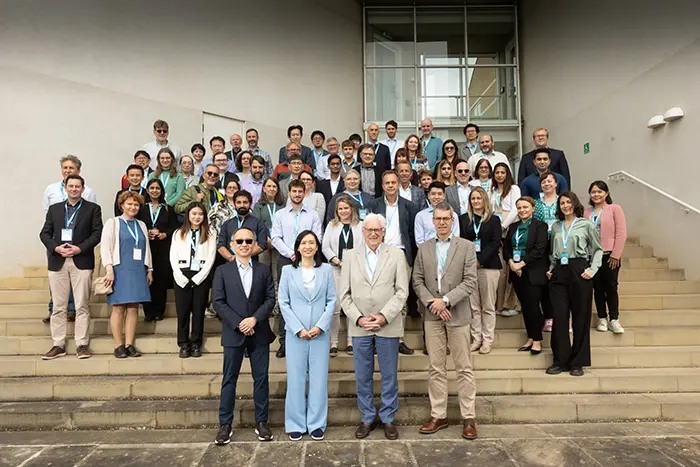
We held our third in-person Symposium from June 9th to 11th, 2025 at the Møller Institute, University of Cambridge. With over 80 participants including clinicians, scientists, dietitians, biotech representatives, patients, and families from 16 countries, it was our largest event to date. The program featured presentations and posters on biochemical mechanisms, diagnostics, novel models, and therapeutic strategies for citrin deficiency, as well as broader rare disease challenges. The symposium reflected the Foundation’s growing global network and continued commitment to accelerating research through cross-sector collaboration.