Here are the Basic Science projects that Citrin Foundation is currently funding and has previously funded.
You can click on the Principal Investigator’s name to read their full biography.
Ongoing Projects
Professor Marc Hellerstein
University of California, Berkeley, USA
CD is arguably the cleanest example of a liver redox disease in human biology. Yet the metabolic consequences – the phenotype – of this monogenic disorder remain poorly understood. Although human CD has some predictable metabolic consequences, many metabolic features defy current knowledge about hepatic metabolic regulation.
We propose studies to quantify metabolic flux alterations fluxes in liver in vivo in a mouse CD model (citrin-G3PDHm double knockout) and the response to interventions (milestone-based, in year 2). Advances in stable isotope-mass spectrometric methods allow basic metabolic control questions to be measured, including: hepatic de novo lipogenesis, gluconeogenesis, glyceroneogenesis and production rates of cytosolic acetyl-CoA and triose-phosphate, by mass isotopomer distribution analysis; hepatic-specific glycolysis/gluconeogenesis and oxidation of long chain & medium chain fatty acids by loss of deuterium from 2H-labeled substrates; and synthesis of key liver enzymes, including arginosuccinate synthetase, by heavy water labeling. In addition, a powerful tool to dissipate cellular NADH through expression of bacterial NADH oxidase (LbNOX) will be deployed and the therapeutic consequences of medium chain triglyceride (MCT) administration will be established. Our primary objectives are to correlate measurements of key hepatic metabolic pathway fluxes with molecular changes (gene expression, redox state) and to test interventions on cytosolic redox (LbNOX, ethanol) or lipid substrates (MCT). We propose a milestone-based decision for advancing to year 2 or potentially switching to a rat CD model. In summary, we hope to understand basic metabolic consequences of CD in liver, to promote effective management and development of new treatments for CD.
(Updated November 2023)
Professor Marc Prentki and Dr. S.R. Murthy Madiraju
Centre hospitalier de l’Université de Montréal, Canada
Genetic deficiency of citrin (CD) / mitochondrial aspartate/glutamate carrier-2 is associated with lowered urea cycle activity, hyperammonemia and citrullinemia, fatty liver, hypoglycemia, and failure to thrive. CD is also associated with intolerance to carbohydrates and glycerol. A disturbed redox state in liver in CD leads to elevated cytosolic NADH/NAD+ ratio and glycerol-3-phosphate (Gro3P). A lowered cytosolic NAD+ availability and energy deficit, as well as disturbed Gro3P metabolism, appears to contribute to the disease. We recently discovered Gro3P phosphatase (G3PP) in mammalian cells, which operates a “glycerol shunt”, by hydrolyzing Gro3P to glycerol, which exits the cells, thereby facilitating the re-oxidation of cytosolic NADH and the removal of excess glucose-derived Gro3P and reducing equivalents as glycerol, from the cell. G3PP regulation of Gro3P, a precursor for triglycerides in liver is possibly relevant for CD patients who develop hepatic steatosis. We hypothesize that G3PP activation in liver can be harnessed to alleviate the CD pathology by normalizing the hepatic redox state, ATP production, urea cycle and lipogenesis. We propose to carry out in vitro studies to develop and characterize an in vitro model for CD using HepaRG human hepatic cells and to investigate if increased G3PP expression in citrin-deleted cells normalizes the metabolic defects associated with CD.
Overall the proposed work will establish an in vitro human hepatocyte based model system to study CD and ascertain if G3PP can be considered as a therapeutic target for CD . These studies will also form the basis for examining the effects of potential pharmacological activators of G3PP in the in vitro model described above and also later in mice in vivo.
(Updated January 2024)
Professor Giuseppe Fiermonte
University of Bari, Italy
Current understanding of Citrin Deficiency (CD) pathogenesis is largely derived from clinical observations and mouse models. While patient data provide valuable clinical context, they offer limited mechanistic insight; conversely, murine models often fail to recapitulate the full spectrum of human metabolic and cellular phenotypes.
To overcome these limitations, this project aims to dissect the etiopathogenesis of CD using human induced pluripotent stem cell (iPSC)-derived hepatocyte-like organoids, an advanced, human-relevant 3D platform capable of faithfully modeling most of liver-specific metabolic processes. These organoids enable dynamic investigation of disease mechanisms and therapeutic responses in a physiologically relevant context, offering a powerful alternative to animal models.
Through integrated multi-omics profiling and detailed biochemical characterization, we will interrogate the metabolic and redox imbalances underlying CD in patient-derived iPSC organoids. In parallel, we will generate AGC2⁻/⁻ genome-edited iPSCs to determine whether targeted loss of AGC2 reproduces the pathological hallmarks observed in patient-derived models. Concordant phenotypes would validate genome editing as a precise tool for modeling CD-associated mutations and exploring genotype–phenotype relationships.
Finally, we will test whether AGC2 or its paralog AGC1 can rescue the CD-associated phenotype through exogenous expression. Demonstrating functional rescue, particularly via AGC1, would provide critical proof-of-concept for therapeutic strategies aimed at inducing AGC1 expression in the liver. This research thus establishes a transformative platform for mechanistic discovery and paves the way toward novel, targeted interventions for Citrin Deficiency.
(Updated October 2025)
Professor Diana Stojanovski
The University of Melbourne, Australia
This project builds on prior discoveries on the Citrin protein by the Stojanovski lab, focusing on its biogenesis and potential therapeutic strategies for Citrin Deficiency (CD). Using cell lines with SLC25A13 knocked out, the team previously identified key regions of Citrin responsible for mitochondrial targeting and demonstrated successful delivery and stability of Citrin via mRNA-LNP technology. The current work expands on these findings by dissecting the role of Citrin’s regulatory domain in its integration into the mitochondrial inner membrane, and applying CRISPR-based functional genomics screens (CRISPRa and CRISPRi) to identify genes that modulate survival and metabolic function in Citrin-deficient cells. Top candidates will be validated, with the goal of uncovering novel regulatory mechanisms and therapeutic targets for CD.
(Updated October 2025)
Dr. Araceli del Arco and Dr. Laura Contreras
Universidad Autónoma de Madrid, Spain
The project addresses four major objectives: (1) to study the temporal progression of CD from neonatal intrahepatic cholestasis (NICCD) to the adolescent/adult form (AACD), using metabolic stressors like acetaminophen and alcohol to identify biomarkers and mechanisms underlying disease progression; (2) to investigate nutrient utilization in CD through amino acid and lipid metabolism studies in DLKO hepatocytes, complemented by systemic analyses using metabolic cages; (3) to evaluate the therapeutic potential of aralar re-expression for restoring metabolic functions, including gluconeogenesis, ureagenesis, and calcium-dependent regulation; and (4) to investigate the origin of elevated plasma arginine levels, exploring a possible renal contribution. We expect this research will identify biomarkers of disease progression, help defining compensatory mechanisms, and serve to evaluate novel therapeutic strategies.
(Updated October 2025)
Dr Aimée M. Dudley
Pacific Northwest Research Institute
This project will establish a validated, scalable in vivo functional assay for citrin missense variants using a yeast-based system (Yarrowia lipolytica). By leveraging the ability of human citrin to functionally replace its yeast ortholog, the assay enables quantitative measurement of citrin activity through yeast growth. The study will generate high-quality functional data for a strategically selected panel of 81 clinically relevant variants, including known benign and pathogenic variants, high‑frequency disease‑causing alleles, and variants with prior biochemical characterization.
The resulting data will provide a robust framework for evidence‑based variant interpretation and improve the field’s understanding of how altered citrin function contributes to disease. By establishing and benchmarking this assay, the project will deliver a valuable clinical and research resource while laying the groundwork for future large‑scale functional studies that will further expand variant interpretation and deepen insight into citrin biology.
Professor Julien Baruteau
University College London Great Ormond Street Hospital, UK
Although citrin is mainly expressed in the liver, we identified its expression in human astrocytes, predominantly compared to its isoform aralar. Astrocytes are essential supporting cells in the brain, which regulate the environment for neurons. One astrocyte can connect to thousands of neurons. It is well-known that astrocytes act as an ultimate cerebral protection in case of hyperammonaemia by buffering ammonia in excess.
In Citrin Deficiency, the disruption of NADH/NAD ratio alters multiple cellular pathways and affects the environment of the cells, both at baseline but particularly in the case of acute cellular stress.
We hypothesise that citrin-deficient astrocytes are dysfunctional, which limits their ability to detoxify ammonia nd provides a rationale for the clinical severity of hyperammonaemic episodes and subsequent neurological sequelae observed in AACD.
In this proposal, we aim to pioneer the description Citrin expression in the human brain, assess the pathophysiology associated with Citrin Deficiency in human astrocytes exposed to hyperammonaemia and screen for therapeutic agents, which could restore hyperammonaemia-related dysregulation and alleviate neurological sequelae in AACD.
Professor Edmund R.S. Kunji and Sotiria (Roula) Tavoulari
University of Cambridge, UK
Citrin deficiency (CD) is a complex mitochondrial disorder manifesting across three age-dependent stages: neonatal intrahepatic cholestasis caused by CD (NICCD), failure to thrive and dyslipidaemia caused by CD (FTTDCD), and adolescent/adult-onset CD (AACD, formerly CTLN2). A particularly compelling and poorly understood feature is the emergence of lean metabolic dysfunction–associated steatotic liver disease (MASLD) during adulthood, but also the neonatal period. The mechanistic links between loss of citrin function and lipid accumulation, oxidative stress, and hepatic vulnerability remain unresolved.
The project aims to improve our understanding of how citrin deficiency (CD) affects cellular metabolism and contributes to the development of lean MASLD. By studying complementary cellular and animal models, we will investigate how disruptions in energy metabolism influence fat accumulation in the liver, cellular stress, and liver function. The project will also explore the potential of emerging therapeutic approaches, including mRNA-based therapy, to improve metabolic function and reduce disease-related changes. Through this integrated approach, we hope to gain new insights into the mechanisms underlying liver disease in citrin deficiency and help identify promising avenues for future treatment development.
Dr. Laura Contreras

Dr. Araceli del Arco

Araceli del Arco obtained a Bachelor of Biology (1988) and a Ph.D. in Sciences (Cum Laude, 1993) from the Universidad Autónoma de Madrid (UAM), Spain, carrying out research in the group of Marta Izquierdo a pioneer of Molecular Biology in Spain. From 1994-1997 she was a Postdoctoral Fellow in the group of Prof. Jorgina Satrústegui, also in UAM.
In 1997 she incorporated as Assistant Professor to the Universidad de Castilla-La Mancha (Toledo, Spain) where she obtained a permanent position in 2003 and since 2025 is Full Professor in Biochemistry and Molecular Biology. Her scientific career has been developed in close collaboration with that of J. Satrustegui. In the 2007-2018 period, she was member of Centre for Biomedical Network Research on Rare Diseases (CIBERER).
Professor Diana Stojanovski
 Prof. Diana Stojanovski
Deputy Head, Department of Biochemistry and Pharmacology
The University of Melbourne
Prof. Diana Stojanovski leads a research group in the Department of Biochemistry and Pharmacology at the University of Melbourne and is a member of the prestigious Bio21 Institute. With over 20 years of experience in mitochondrial biology, her research program is dedicated to uncovering the molecular pathways that maintain mitochondrial health and how their disruption contributes to mitochondrial disease.
Her work has been supported by competitive funding from the Australian Research Council (ARC), National Health and Medical Research Council (NHMRC), Medical Research Future Fund (MRFF), the Mito Foundation, and the Citrin Foundation, and has been published in leading international journals.
Professor Marc Hellerstein

Dr. Hellerstein is Professor of Human Nutrition at the University of California, Berkeley, where he occupies an Endowed Chair (Dr. Robert C. and Veronica Atkins Chair). He is also Professor of Endocrinology, Metabolism and Nutrition in the Department of Medicine at the University of California at San Francisco, where he ran the diabetes clinic at SF General Hospital for 25 years. Dr. Hellerstein’s medical training was at Yale Medical School and he completed a PhD at the Massachusetts Institute of Technology, in addition to medical training in Internal Medicine and Endocrinology and Metabolism.
Dr. Hellerstein’s major research interest has been the measurement in vivo of metabolic fluxes through pathways critical to health and disease, as biomarkers for understanding metabolic control and its disorders, including applications in drug development and clinical diagnostics. This research has resulted in over 330 publications, 80 issued patents and participation on many editorial boards and as an advisor to NASA. Dr. Hellerstein co-founded a medical diagnostics and drug development biotech company, KineMed, Inc., in 2001 and a muscle diagnostic company, Myo Corps, Inc. in 2023.
By combining powerful mass spectrometric technology with insights into the mathematical footprint of metabolic flux in complex networks, his group has quantified in humans many metabolic processes that could not previously be studied. Methodologic advances from the Hellerstein lab include Mass Isotopomer Distribution Analysis (MIDA), the “equation for polymerization biosynthesis”; heavy water labeling for protein synthesis, including Dynamic Proteomics for measuring flux rates of proteins across the proteome; cell proliferation and turnover rates by metabolic labeling of newly replicated DNA with heavy water or glucose; non-invasive probes of intracellular intermediary metabolic fluxes, or “virtual biopsies”, including hepatic fibrogenesis, muscle protein synthesis and brain myelination rates; muscle mass from a spot urine sample; and flux metabolomics using combinatorial measurements to infer global fluxes from heavy water labeling.
This work directly addresses the major challenge of the next generation of biomedical research: translating our advanced understanding of molecular components (reductionist knowledge) into the ability to control and predict functional outcomes in vivo (integrated understanding) in humans. His work continues to look for ways that dynamic systems measurements can have a fundamental impact on basic biology and human health. By measuring intracellular metabolic processes in vivo that potentially play a causal role in the pathogenesis or treatment of disease and that were not previously able to be studied, these techniques can answer questions where the hard clinical outcomes take years or decades to become apparent. This work at its core has always been centered on translational medicine by creating minimally invasive techniques for monitoring disease-causal pathways in humans.
Contributions to Science:
- > 335 publications
- 23 Issued U.S. Patents; 55 Issued International Patents
- H-index: 94; I10 index: 307 (56 since 2018); 36,893 citations (12,492 since 2018)
Link to publications: https://www.ncbi.nlm.nih.gov/myncbi/marc.hellerstein.1/bibliography/public/
Professor Marc Prentki
 Dr. Marc Prentki obtained his Ph.D from the University of Geneva. He is now a full professor in the Department of Nutrition at the University of Montreal after working as an assistant professor at the University of Pennsylvania and in Geneva. Dr. Prentki is an established investigator in the University of Montreal Hospital Research Center (CRCHUM) and he is the Founding director of the Montreal Diabetes Research Center (MDRC) that he initiated in 2004 with support from the Canada Foundation for Innovation.
He is renowned for his work on metabolic diseases, particularly in the areas of diabetes, obesity and pancreatic beta cell biology, and in cancer cell metabolism. Dr. Prentki published ~190 papers (H index 100) describing different aspects of metabolism and signaling in relation to metabolic diseases and cancer. Dr. Prentki co-directed (Nature 2007) the first GWAS study of any complex disease that resulted in the identification of several type 2 diabetes genes.
Recent work from his laboratory, that may be harnessed for citrin deficiency, includes the textbook discovery of glycerol-3-phosphatase (G3PP) in mammalian cells, a central player in the regulation of intermediary and energy metabolism. Using mouse and C. elegans models and in vitro cell models, his laboratory showed that G3PP acts as a glucose excess detoxification machine, and plays an important role in insulin and glucose homeostasis, the regulation of liver glucose and lipid metabolism, cancer cell metabolism and it may promote healthy aging.
Dr. S.R. Murthy Madiraju

Dr. Madiraju obtained his Ph.D. from the Postgraduate Institute of Medical Education and Research, India and later worked at the Clinical Research Institute of Montreal. He contributed extensively to the understanding of the carnitine palmitoyltransferases (CPT) system and the mechanism of fatty acylcarnitine transport into mitochondria. His work on this enzyme is incorporated in Biochemistry textbooks.
Dr. Madiraju joined a Biotech company as a Group Leader and led a team to discover the first small molecule anti-Bcl2 inhibitor as a cancer drug that entered clinical trials. Dr. Madiraju joined Dr. Prentki’s group as a senior scientist in 2005 and played a key role in the identification of the significance of ABHD6/monoacylglycerol signaling in beta cell insulin secretion and adipose tissue function, and G3PP as an important enzyme at the center of metabolism, controlling glycerol-3-phosphate levels. Dr. Madiraju published many research papers, reviews and patents.
Professor Giuseppe Fiermonte
 Full Professor of Biochemistry, Department of Biosciences, Biotechnologies, and Biopharmaceutics, University of Bari, Italy
Prof. Giuseppe Fiermonte is an internationally recognized expert in mitochondrial bioenergetics, metabolism, and mitochondrial transporter deficiencies. His research has significantly advanced the understanding of mitochondrial carrier proteins, their physiological roles, and their involvement in human diseases.
Prof. Fiermonte has played a pivotal role in elucidating the molecular mechanisms underlying mitochondrial carrier deficiencies, including AGC1/2, glutamate, ornithine/citrulline, thiamine pyrophosphate, and UCP2 transporter defects. His work, published in leading journals such as Nature Genetics, Nature Metabolism, PNAS, and The New England Journal of Medicine, has provided critical insights into the metabolic consequences of these mutations.
More recently, he has been developing iPSC-derived 3D organoid models to investigate the pathophysiological roles of mitochondrial transporters in human genetic diseases and cancer, further bridging fundamental research with translational medicine.
Dr. Aimée Dudley

Dr. Aimée Dudley earned her B.S. in biochemistry and molecular biology from the University of Massachusetts at Amherst and her Ph.D. in genetics from Harvard Medical School. She performed her post-graduate work in the laboratory of Dr. George Church at Harvard Medical School, where she was an Alexander Hollaender Distinguished Postdoctoral Fellow. She has led her own laboratory focused on genetics, genomics, and technology development for close to 20 years. Her current research uses high throughput functional genomics platforms to interpret human genetic variation and advance rare disease diagnosis and treatment. She is a Senior Investigator and the former Interim Chief Scientific Officer of the Pacific Northwest Research Institute in Seattle, Washington. Dr. Dudley is also the CEO and a Co-founder of ZymoScan, Inc., a company focused on genetic disease diagnosis, prognosis, and treatment.
Dr. Dudley is deeply committed to fostering rigorous, open, and impactful science and to mentoring the next generation of researchers. She holds an affiliate faculty position in the University of Washington’s Department of Genome Sciences, co-chairs the Washington Research Foundation’s Postdoctoral Fellowship Selection Committee, and serves as an Editor-in-Chief of PLOS Genetics.
Professor Julien Baruteau

Professor Julien Baruteau is an MRC Clinician Scientist Fellow at University College London Great Ormond Street Institute of Child Health, and Consultant in Metabolic Medicine at Great Ormond Street Hospital for Children (GOSH) in London.
He graduated in Pediatrics from Toulouse University, France in 2008. He then specialised in Pediatric Inherited Metabolic Medicine in Paris and Toulouse. He joined the Metabolic Medicine Department at GOSH in 2012. He has been granted various fellowships from Action Medical Research (2013-2016), GOSH Charity (2017), National Institute for Health Research GOSH Biomedical Research Centre (2018-2019) and the Medical Research Council to conduct his research (2020-present). He received his PhD in Gene Therapy at UCL in 2017 under the supervision of Prof Simon Waddington.
His research focuses on studying the pathophysiology and developing novel therapies for inherited metabolic diseases. His group works on the pathophysiology of hepatic and cerebral arginine deficiency. He has developed gene therapy using both viral and non-viral vectors and is the UK chief investigator in first-in-human gene therapy clinical trials. He has expertise in translating academic and industry-led programmes of gene therapies. He is the member of experts’ committees from the European Society of Gene and Cell Therapy (2023-present) and the European Society of Human Genetics (2023-present).
Concluded Projects
Professor Kimihiko Oishi
Jikei University School of Medicine, Japan
Scientific summary
Citrin deficiency is an autosomal recessive disorder of urea cycle metabolism, caused by bi-allelic mutations of the SLC25A13 gene encoding citrin, a mitochondrial aspartate-glutamate carrier, which is predominantly expressed in hepatocytes. This condition can manifest as neonatal intrahepatic cholestasis (NICCD, MIM# 605814) during infancy and citrullinemia type II (CTLN2, MIM# 603471), characterized by adult-onset recurrent hyperammonemia with altered mental status that is refractory to conventional hyperammonemia therapies. The main pathology of the citrin deficiency is originated from the liver, and many patients were found to have nonalcoholic fatty liver disease (NAFLD) including nonalcoholic steatohepatitis (NASH) concurrently upon the diagnosis of CTLN2. Recently, it was revealed that many well-appearing citrin deficiency patients had occult hepatosteatosis, suggesting that the liver pathology progresses slowly without any readily discernible clinical signs/symptoms and laboratory abnormalities. It is believed that these hepatocyte changes increase the risk of liver cirrhosis and cancer. Thus, further understanding of the hepatic pathophysiology of citrin deficiency and discovery of appropriate intervention/therapies for NAFLD are in significant need to reduce the disease burden in patients with citrin deficiency.
Since metabolic pathways affected in citrin deficiency occurs mainly in the mitochondria, it is speculated that there may be an aberrant mitochondrial function in citrin deficiency. Additionally, alterations of mitochondrial structure have been previously reported in NAFLD. With the current recognized link between NAFLD and mitochondrial dysfunction, studies to identify the molecular pathogenesis of the liver abnormalities with a careful observation of mitochondrial function is meaningful and crucial to elucidate novel treatment strategies for citrin deficiency.
The aims of our current studies include 1) better characterization of the histopathology and mitochondrial function in the liver of citrin deficiency with advanced methods, using mouse models disrupting citrin and the mitochondrial glycerol-3-phosphate dehydrogenase with/without metabolic stress; 2) identifying new biomarkers and therapeutic targets for liver disease in citrin deficiency using a newly developed high-throughput global metabolomics platform; 3) evaluating the efficacy of new experimental drugs for citrin deficiency-associated liver steatosis. Through this research, we attempt to accomplish our ultimate future goal to discover new therapies for this complicated condition, citrin deficiency.
(Updated January 2019)
Professor Paul M. Yen
Duke-NUS Graduate Medical School, Singapore
Citrin deficiency (CD) is an autosomal recessive metabolic disorder caused by mutations in the SLC25A13 gene that encodes the mitochondrial aspartate/glutamate transporter, citrin. This transporter is involved in metabolic pathways such as protein, nucleotide, and urea syntheses in cytosol, aerobic glycolysis as a member of malate aspartate shuttle, and gluconeogenesis from lactate. It is essential for maintaining the balance of the urea cycle and the production of urea, the main route for ammonia detoxification in the body. CD can have three major presentations: neonatal intrahepatic cholestasis (NICCD), adult-onset type II citrullinenia (CTLN2), and failure to thrive with dyslipidemia (FTTDCD). Currently, the management of CD is dependent upon the clinical presentation of the patient. NICCD can be managed by decreasing the elevated serum ammonia levels through dietary and nutritional intervention. Patients suffering from CTLN2 can have severe hyperammonaemia, very poor prognosis, and high mortality rates. Argininosuccinate synthetase (ASS1) protein expression activity also is decreased in some cases of adult onset CTLN2, and worsens ammonia accumulation. Patients with FTTDCD are managed by various dietary regimens (e.g., low carbohydrate, specific amino acids) that have not been studied extensively.
Saheki and coworkers have carefully characterized the clinical presentation of CD, and previously created a mouse model of CD, citrin/mitochondrial glycerol-3-phosphate dehydrogenase (Ctrn/mGPD) double-KO mice. However, species-specific differences between rodents and man as well as the requirement for mutations in both SLC25A13 and mitochondrial glycerol-3-phosphate dehydrogenase (mGPD) genes to induce hyperammonemia limits its application as a model for CTLN2 in humans. Additionally, there currently is no robust in vitro model of this disease. A cell culture model of CTLN2 would provide reproducible and rapid data that could be translatable to both in vivo and human systems. Additionally, this cell culture model could be used for high-throughput screening to identify nutritional conditions and compounds that reduce hyperammonemia when SLC25A13 mutations are present. Recently we used SLC25A13 and ASS1 siRNA siRNA individually, and in combination, to knock down their expression in the HepG2 human hepatic cell line. We found that that there was increased hyperammonemia in the cells in which SLC25A13 alone and both SLC25A13 and ASS 1were knocked down. These cells also appeared to have decreased mitochondrial quality and turnover. These studies provide the rationale for developing different hepatic cell lines in which SLC25A13 is knocked out permanently and to replace the normal SLC25A13 gene with mutations from patients by using CRISPR/Cas9 technology, a novel gene-editing method, to create hepatic cell culture models of the disease with specific mutations. We also will study the effects of specific nutritional conditions in the media and their effects on ammonia production and cellular metabolism for the knockout and mutation-carrying cell lines.
Specific Aims:
Specific Aim 1. To generate a SLC25A13 knockout cell line in HepG2 cells using CRISPR/Cas9 technology to examine the effects of specific amino acids, various nutrient conditions, and drug treatments on autophagy, cell signaling, ammonia production, and mitochondrial function
Specific Aim 2. To study the effects of specific mutations from CTLN2 patients using CRISPR/Cas9 technology in the HepG2 cell culture model and examine the effects of specific amino acids, various nutrient conditions, and drugs on rescuing changes in ASS1 decline, cell signaling, and ammonia production. Additionally, we will the compounding effects hepatic ASS1 decline in CTLN2 patients using the HepG2 cell culture models from Specific Aim 1 and here.
(Updated February 2019)
Professor Edmund R.S. Kunji and Sotiria (Roula) Tavoulari
University of Cambridge, UK
Citrin deficiency is caused by the malfunction of the transport protein citrin. Citrin resides in a special compartment of the human cell, called the mitochondrion. Normally, it is involved in the import of the amino acid glutamate into the mitochondrion and in the export of the amino acid aspartate, which is important for many cellular functions and for the function of the human body. However, through specific mutations the function of citrin can be impaired, which leads to the disease. We study how these mutations affect the function of the protein and how this in turn impacts the function of the mitochondrion and the human cell, all with the aim to explore new approaches to a cure.
Scientific summary
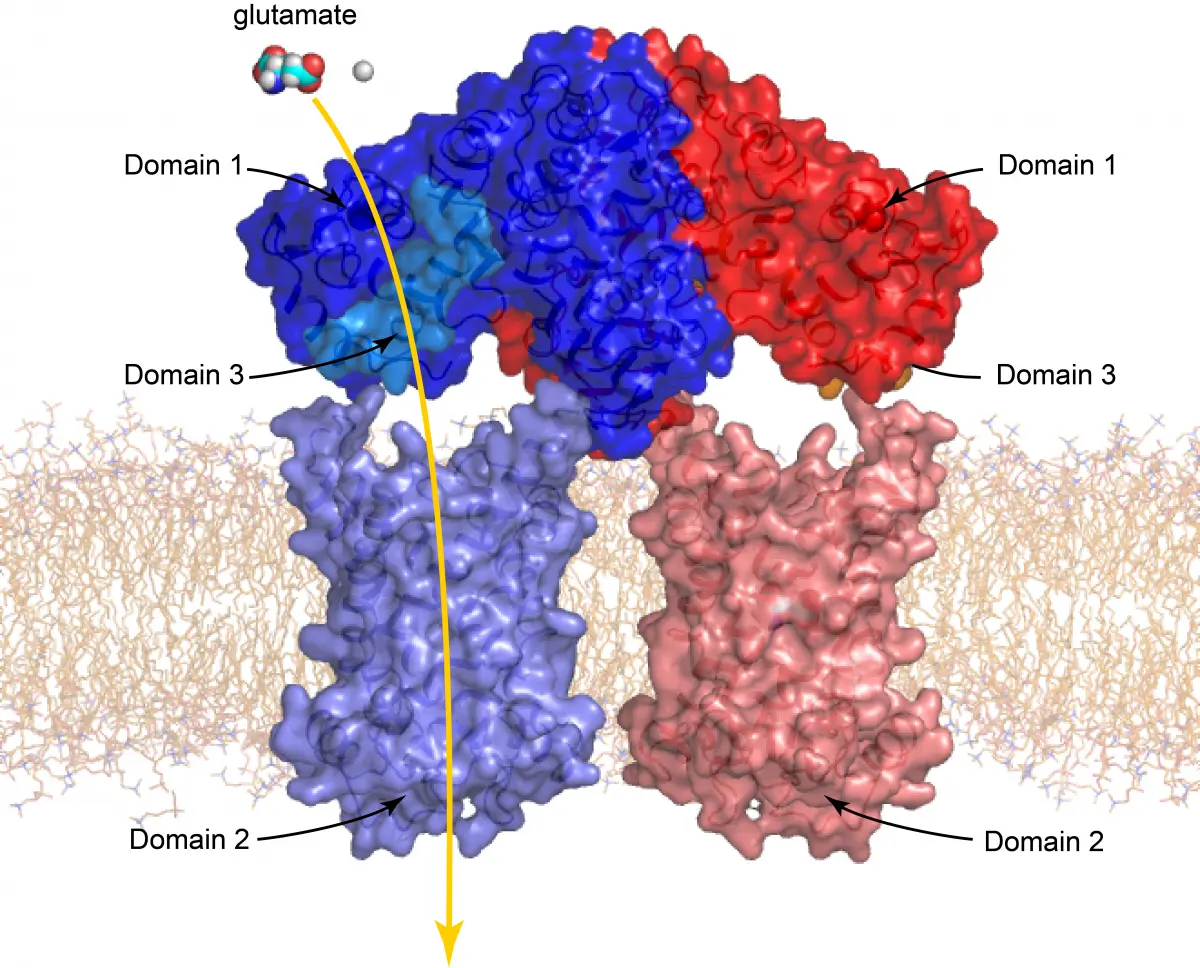
Citrin is one of the most complex of all transport proteins, as it consists of three separate domains. The first domain is the regulatory domain, which changes conformation upon binding or release of calcium. The second domain is a transporter domain, which transports the amino acid glutamate into the mitochondrion and aspartate out of the mitochondrion and the third domain binds to the regulatory domain in the calcium-bound state and is released in the calcium-free state as part of the regulatory process. Citrin also forms a dimer via the regulatory domain, and thus is composed in total of six dynamic domains. Our contribution to the project is the molecular characterisation of disease variants of citrin that are associated with citrin deficiency. We will also study the impact of citrin disease variants on cellular and mitochondrial function. Finally, we will analyse the metabolic effect of citrin deficiency and factors that may positively influence it in order to find a cure.
Basic structure of the mitochondrial aspartate/glutamate carrier (citrin)
Citrin consists of three domains. Domain 1 is the calcium regulatory domain, domain 2 the carrier domain and domain 3, an amphipathic helix, which is bound to the regulatory domain in the calcium-bound state. Two citrin proteins, one coloured blue and the other red, form together a dimer. Also shown is a glutamate molecule, which is transported by the carrier domain through the inner membrane together with a proton.
Professor Takeyori Saheki
Kagoshima University, Japan
Citrin deficiency (CD) is caused by a deficiency of citrin or liver-type mitochondrial aspartate glutamate carrier 2 encoded by SLC25A13. Since citrin plays a role in multiple metabolic pathways such as protein, nucleotide and urea syntheses in cytosol, aerobic glycolysis as a member of malate aspartate shuttle, and gluconeogenesis from lactate, citrin deficiency causes multiple diseases including neonatal intrahepatic cholestasis (NICCD), adult-onset type II citrullinenia (CTLN2), failure to thrive with dyslipidemia (FTTDCD), pancreatitis, NASH and hepatoma. Saheki and coworkers have not only established the disease entity of CD, but also created mouse model of CD, citrin/mitochondrial glycerol-3-phosphate dehydrogenase (Ctrn/mGPD) double-KO mice. The mouse model of CD has been shown to be extremely useful for making clear the Pathophysiology of CD and finding effective supplements. In these research projects, we are performing research on further clarification of still-unknown Pathophysiology and finding novel therapeutic procedures.
Research projects
- To establish hyperammomenia (HA) model
We established a HA model by enteral administration of glycine (Gly; 20 mmol/kg bw) in combination with sucrose (Suc; 4g/kg bw) or ethanol (EtOH; 5% solution at a dose of 20 ml/kg); Administration of Gly caused a slight increase in blood ammonia even in wild-type mice, and the HA was enhanced by simultaneous administration of Suc or EtOH in Ctrn-KO and double-KO mice. The highest blood ammonia level was obtained by administration of Gly+Suc in double-KO mice, reaching over 1000 mg/dl. The HA model was very useful for assessing effectiveness of supplements including amino acids, MCT, sodium pyruvate and others for treatment of HA in CD. We have found aspartate (Asp) as one of effective substances together with its mechanism of action. Administration of serine probably shows effects similar to Gly. - Effect of sterilization of chow
Autoclave sterilization of chow, CE-2, resulted in making the symptoms of the double-KO mice severer. The double-KO mice fed sterilized CE-2 showed higher blood ammonia and lower body weight during development as compared with the double-KO mice fed the non-sterilized CE-2. Although this showed importance of foods or its art of cooking on Pathophysiology of CD, we have not found what caused the difference; we have tested Vitamin C, multivitamin and lysine which were known decreased during autoclave sterilization. - Liver perfusion experiments
Liver perfusion experiments clearly showed that alanine (Ala) was effective in activating ureagenesis from ammonium chloride, but aspartate (Asp) was not, revealing discrepancy of the Asp effect between in vivo and in vitro, and leading to the conclusion of pivotal role of small intestine-liver inter-organ amino acid metabolism. Furthermore, Ala decreased the perfusate lactate/pyruvate ratio while Asp didn’t. - The most effective compound against HA
We have already shown that some amino acids were effective in normalizing the blood ammonia levels of double-KO mice increased by Gly+Suc, together with the mechanisms of action of the amino acids (submitted). Details will be open following acceptance of the manuscript. - Hepatic argininosuccinate synthetase (ASS) decrease
We postulate that hepatic ASS was decreased by the action of some microRNA increased in the liver of CTLN2 patients. We will start preparing RNA samples from liver of CTLN2 patients and creation of genetically modified HepG2 cells for assessment of effect of microRNA extracted from the patients on hepatic ASS expression. - Brain factor
We have found that a neuropeptide known as a stress or anorexic factor was highly expressed in the hypothalamus of the double-KO mice. Our recent search, however, showed no significant differences between the four genotype mice of the plasma peptide levels, although we are now increasing the number of samples. So, we will continue research on the gene expression of the peptide in the hypothalamus. - In vivo ureagenesis assay
To show the conditions which inhibit ureagenesis in vivo, we started analysis, “in vivo ureagenesis assay”, by using 15N-ammonium chloride and 13C-sodium acetate. The chemicals are enterally administered and blood was taken at several time points to detect urea labelled with 15N or 13C, by which we can calculate the rate of ureagenesis in vivo. So far, 15N-ammonium chloride is better to analyze than sodium 13C-acetate.
This method may be useful for detecting a decrease in hepatic ASS activity in CTLN2 patients and assess the effect of drugs or supplements to increase the activity without using biopsied liver. In this experiment, we will use 15N-Ala or 15N-Asp instead of 15N-ammonium chloride. - PSTI
PSTI has been shown to increase in plasma or serum of CTLN2 patients, which may be useful as an anticipating factor of suffering from CTLN2. We are ready to assay the PSTI plasma level for analysis of disease states of citrin deficiency patients and assessing the effect of drugs or supplements. - Mechanism of hyperammonemia
So far, we have shown that increased cytosolic NADH/NAD+ ratio inhibit formation of Asp in the cytosol, resulting in inhibition of ASS step, leading to accumulation of ammonia. We are now testing the possibility if breakdown of Gly is stimulated by Gly cleavage system which produces ammonia, followed by activating glutaminase causing glutamine breakdown to glutamate and ammonia. Glutamate dehydrogenase is activated by the decrease in ATP or increase in ADP, also leading to production of ammonia. - iPS cell-derived hepatocytes
This project was changed to use of genetically modified HepG2 cells. We are now preparing HepG2 cells with citrin KO and forced expression of urea cycle enzymes, ornithine carbamoyltransferase and arginase to activate ureagenesis in the cells. The cells will be used for analysis of hepatic ASS decrease (project 5.) We are also preparing isolated and primary cultured hepatocytes from the citrin deficiency model mice. We noticed some difficulty in preparing and culturing hepatocytes from Ctrn-KO mice as compared with wild-type so far. We are looking for reagents which may facilitate the process, which, we expect, will make the modified cell culture easier.
(Updated August 2018)
Professor Ituro Inoue
National Institute of Genetics, Japan
Introduction
Citrin deficiency (CD) was long established as a metabolic disease caused by the lost of function mutations on SLC25A13, encoding citrin, a mitochondria transporter. Since citrin is involved in various metabolic pathways, such as glycolysis, gluconeogenesis and ureagenesis, the consequences of CD are concern about all those disturbed pathways and have different clinical presentations including neonatal intrahepatic cholestasis (NICCD), failure to thrive with dyslipidemia (FTTDCD) and ), adult-onset type II citrullinenia (CTLN2). While NICCD and FTTDCD can be alleviated by implementation of appropriate dietary and nutritional therapy, CTLN2 manifestation, characterized by acute hyperammonaemia, may lead to severe brain injuries on patients and prognosis is commonly poor. CTLN2 has been showed to associated with the substantial decline of hepatic argininosuccinate synthetase (ASS1) protein expression, leading to the malfunction of hepatic urea cycle, the key pathway for detoxifying ammonia. Interestingly, while hepatic ASS1 protein is significantly reduced, its mRNA level expression is totally normal, which suggests translational or post-translational regulation mechanisms might be involved.
Here, we sought to examine the molecular mechanisms underlying the enigmatic decline of ASS1 protein in CTLN2 patients. We considered the use of liver cell lines (e.g. Huh-7, HepG2) to generate CTLN2 in vitro model by knocking out SLC25A13. We first employed SLC25A13 knock-out HepG2 cell line, which is kindly provided by Dr. Paul M. YEN, as the model for our investigation.
Specific Aims:
Specific Aim 1: Based on previous RNA-seq and miRNA-seq analyses on liver tissues from CTLN2 patients, we are going to screen for candidate ASS1-targeting miRNAs which can specifically bind and repress the translation of ASS1. We also plan to perform ribosome profiling on SLC25A13 knock-out cell line to understand the systemic translational regulatory landscape that arises from the loss of citrin.
We already performed mRNA and miRNA sequencing on SLC25A13 knock-out HepG2 cells to understand overall transcriptomic changes compared to wild-type control. Genes and miRNA expression profiles could be compared with our previous analysis on liver tissue samples of CTLN2 patients to assess the credibility of cellular model. We aim to perform functional assessment of putative ASS1-targeting miRNAs by (a) overexpressing candidate miRNAs and (b) synthetic silencing (repressing) of endogenous miRNAs in SLC25A13 knock-out cellular models, assess their impacts on ASS1 protein expression.
In this research aim, we also examine whether the decline of ASS1 protein is due to inhibition occurs during translation steps, which can be comprehensively explained by ribosome footprint profiling method (i.e. Ribo–Seq). Information from cellular translatome, in combination with matched transcriptomic data, will deliver landscape of the whole-genome translational regulations in CTLN2 model.
Specific Aim 2: To study specific culture conditions on SLC25A13 knock-out cell line that may affect the decline of ASS1 proteins. This is the key phenotype to recapitulate clinical CTLN2 conditions in a robust in vitro model. From this, we can examine for molecular interactions/modifications that lead to the postulated specific degradation of ASS1 protein.
One hypothesis for the decline of hepatic ASS1 protein in CTLN2 patients could be a specific protein modification that designate it for rapid degradation. From this perspective, cellular environment must play crucial role in determining consequent fate of proteins. Since ASS1 is a cytosolic enzyme controlling the entry flux into urea cycle, it is reasonable to assume that ASS1 should be sensitive and responsive to changes in cellular environment. Cytosolic NAD+/NADH has been shown to be declined as a result of obstructed malate-aspartate shuttle in CD, therefore, the disrupted activity of NAD+-dependent enzyme such as SIRTs and PARPs would be interesting targets for further investigation of their involvement with ASS1 decline.
Specific Aim 3: To study the impact of genetic background on CD patients using whole genome sequencing (WGS) that may affect the risk of CTLN2 development during adulthood.
The onset of CTLN2 occurs in only about 10% among CD patients, this suggests that the penetrance of this monogenic disorder might be largely influenced by other factors, which could be both genetical and environmental. We postulate that the genetic variants background could affect the risk of CTLN2 development during adulthood of CD patients. Therefore, performing whole genome sequencing (WGS) and comparing variants profiles among CD patients would be one of our interested research aims.
Professor Diana Stojanovski
University of Melbourne, Australia
This project will provide insight into the mechanisms overseeing the biogenesis of wild-type and mutant versions of SLC25A13, from the synthesis in the cytosol to the targeting and translocation across the mitochondrial outer membrane, followed by insertion into the mitochondrial inner membrane. Our labs expertise in the TIM22 complex and general mitochondrial import mechanisms puts us in a strong position to elucidate these mechanisms that are of direct relevance to find strategies to treat citrin deficiency. As part of this research program we will also investigate the use of a mRNA-based therapy approach for citrin deficiency.
This work has a broad impact including: (i) knowledge expansion in the biology of SLC25A13 and Citrin Deficiency; (ii) creation of cell models of disease to uncover pathomechanisms underscoring Citrin Deficiency; (iii) expanding research efforts of the Citrin Foundation through our lab’s contribute to the Foundation’s mission.
(Updated June 2022)
Dr. Araceli del Arco and Dr. Laura Contreras
Universidad Autónoma de Madrid, Spain
Therefore, our project aims at removing Aralar in the the mouse liver. We hypothesize that knocking out Aralar specifically in liver will make the mice more closely resemble the situation of patients and may constitute an improved CD model. In addition, it is expected that it will allow better testing of gene therapies based on lipid encapsulated mRNA delivery or other gene therapy approaches and to better study the participation of Citrin in the regulation of liver metabolism by Ca2+– mobilizing hormones.
(Updated June 2022)
Professor Marc Hellerstein
University of California, Berkeley, USA
(Updated November 2023)
Professor Edmund R.S. Kunji and Sotiria (Roula) Tavoulari
University of Cambridge, UK
Citrin deficiency is caused by the absence or malfunction of the transport protein citrin. Citrin resides in the membrane of mitochondria, special compartments of the human cells, where transport and breakdown of substances is used for the production of energy and other cellular functions. Citrin is specifically used for the import of the amino acid glutamate into the mitochondrion and the export of the amino acid aspartate, an important process in human metabolism. In citrin deficiency, citrin is absent or impaired through specific mutations leading to a defective metabolism, affecting primarily the liver. We study how these mutations affect the function of the protein and how this in turn impacts metabolic processes, energy production and the overall function of mitochondria and human cells. Our aim is to understand the basic mechanisms resulting from the dysfunction of the citrin protein in order to explore new therapeutic avenues.
Scientific summary
Citrin deficiency is an autosomal recessive disease caused by mutations in the SLC25A13 gene, which encodes for the mitochondrial aspartate/glutamate carrier isoform 2 (AGC2). A great variety of pathogenic variants have been reported in citrin deficiency, including missense and nonsense mutations, deletions and insertions as well as splice site variants. Our studies aim to unravel the molecular and cellular mechanisms of citrin dysfunction caused by these mutations in order to explain the diversity of symptoms and disease onset observed between citrin deficiency patients and to facilitate the development of new therapeutic strategies. We are following a multidisciplinary approach utilising a variety of biochemical, biophysical and cell biology techniques, including gene editing, advanced microscopy, metabolomic and bioenergetic measurements. We are developing novel cellular models of citrin deficiency to fully characterise the impact of pathogenic variants. Specifically, we are assessing the citrin variants for their functional, bioenergetic, metabolic and morphological consequences on the mitochondrion and their overall impact on cellular homeostasis. We are also investigating how nutritional supplements and novel therapeutic strategies could ameliorate the effects of citrin deficiency.
Citrin transporting aspartate and glutamate across the mitochondrial inner membrane
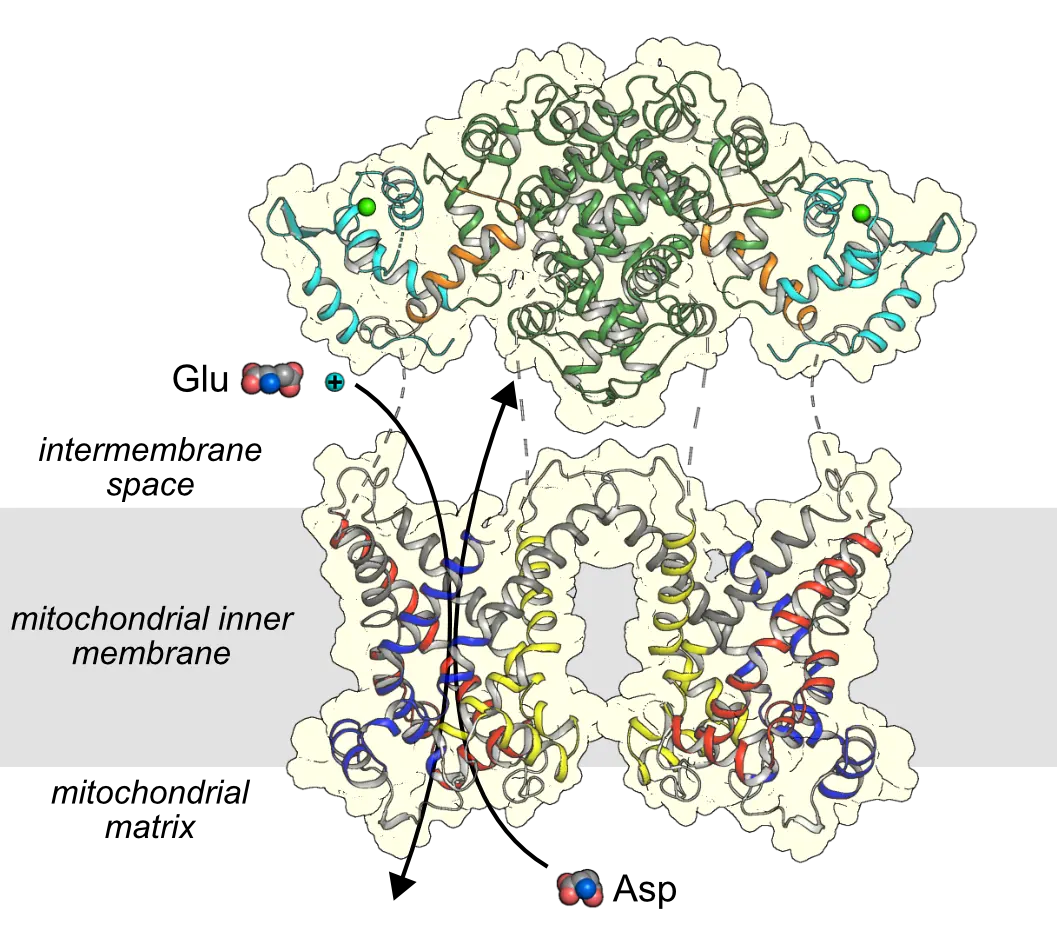
The N-terminal calcium regulatory domain of citrin has eight EF-hands with the calcium responsive domain colored in cyan and the static domain, which is involved in dimerization, in green. The carrier domain consists of three core elements shown in primary colors and three gate elements shown in grey. The C-terminal domain with an amphipathic helix is colored orange.
(Updated March 2022)
Professor Takeyori Saheki
 Professor Takeyori Saheki graduated from Graduate School of Medicine, Tokushima University in 1970, and he got a PhD degree at Tokushima University. In 1980, he was appointed as Professor of Biochemistry, Faculty of Medicine, Kagoshima University. At present, he is a Guest Researcher at Department of Hygiene and Health Promotion Medicine, Kagoshima University Graduate School of Medical and Dental Sciences.
Professor Saheki characterized a type of hepatocerebral disease biochemically as adult-onset type II citrullinemia (CTLN2). He discovered the causative gene for CTLN2 and showed that the same gene is the cause of neonatal intrahepatic cholestasis (NICCD). He named the diseases citrin deficiency, and identified the gene encoding mitochondrial aspartate glutamate carrier. Also, Prof. Saheki invented a mouse model for citrin deficiency, citrin and mitochondrial glycerol 3-phosphate dehydrogenase double-KO mouse, and by using the model, characterized pathophysiology of citrin deficiency and developed novel therapeutic procedures for the disease.
Academic Awards: in 2000, from Japanese Society for Inherited Metabolic Diseases, and in 2003 from the Japan Society of Human Genetics.
Professor Edmund R.S. Kunji
 Professor Edmund Kunji holds a PhD in Mathematics and Natural Sciences from the University of Groningen, The Netherlands. He carried out his post-doctoral studies in the group of Dr Richard Henderson at the MRC Laboratory of Molecular Biology, Cambridge.
Since 2000, he is a programme leader at the MRC Mitochondrial Biology Unit, University of Cambridge, where he works with his team on the role of mitochondrial transport proteins in the translocation of metabolites, cofactors and inorganic ions across the mitochondrial inner membrane. Since 2019, he is Professor of Biophysics in Clinical Neurosciences of the University of Cambridge.
Professor Kimihiko Oishi
 Dr. Kimihiko Oishi is a Professor and the Chair of the Department of Pediatrics at Jikei University School of Medicine.
He received his medical degree from Jikei University School of Medicine in Tokyo, Japan, followed by a Pediatrics residency at Jikei University Hospital. After his research fellowship in a molecular cardiology laboratory at Icahn School of Medicine at Mount Sinai in New York, USA, he completed his Pediatrics Residency and Medical Genetics Fellowship at Mount Sinai Hospital.
After completing his fellowship, he joined the faculty at Icahn School of Medicine at Mount Sinai as an attending physician for the Program for Inherited Metabolic Diseases Clinic with a special interest in the mechanism of disease and development of new therapies for inborn errors of metabolism (IEM). He was also appointed as an Assistant Professor for the Department of Genetics and Genomic Sciences and Department of Pediatrics.
Dr. Oishi is a recipient of the Urea Cycle Disorder Consortium Fellowship with a project of clinical and molecular characterization of citrin deficiency in the US. With his leadership, his team in Mount Sinai made the English version of Prof. Saheki’s citrin deficiency book available for the Citrin Foundation. With his clinical and basic science training background in Japan and the United States and Dr. Oishi has medical license and board certifications in pediatrics and clinical genetics in these two countries.
Professor Paul M Yen
 Professor Paul Yen is a Professor at Duke-NUS Graduate Medical School in Singapore and Head of the Laboratory of Hormonal Regulation in the Cardiovascular and Metabolic Disorders Program. He obtained his M.D. from The Johns Hopkins University School of Medicine, completed his residency in internal medicine at University of Chicago and his endocrinology fellowship at National Institutes of Health (NIH).
Prior to Duke-NUS he served on the faculty at Johns Hopkins, Harvard Medical School, and as section chief at The National Institute of Diabetes and Digestive and Kidney Diseases (NIDDK), NIH. He has served on the editorial boards of Endocrinology, Molecular Endocrinology, and Thyroid.
His current research interests are hormonal regulation of hepatic autophagy and lipid metabolism in non-alcoholic fatty liver disease as well as epigenetic regulation of metabolic genes by thyroid hormone.
Professor Ituro Inoue

Professor Ituro Inoue graduated from the Department of Biochemistry in the Faculty of Medicine at Kagoshima University in 1988 where he received a PhD in Biochemistry. Since 2010, he has been a Professor at the National Institute of Genetics in Japan and he is currently heading their Department of Genomics and Evolutionary Biology. He is also the head of the Human Genetics Laboratory, where he works with his team to elucidate disease causalities and their patho-mechanisms to ultimately develop a therapeutic tool.
Professor Inoue completed his post-doctoral fellowship at the University of Utah before becoming a Research Associate at the Howard Hughes Medical Institute and the Department of Human Genetics at the University of Utah. He was also an Associate Professor in the Institute of Molecular and Cellular Regulation at Gunma University and the Institute of Medical Science at the University of Tokyo. In 2006, he became a Professor in the School of Medicine at the University of Tokai. He was subsequently appointed as the Director of the Institute of Medical Sciences at the University of Tokai in 2008.
Sotiria (Roula) Tavoulari

Dr Sotiria Tavoulari is an Assistant Research Professor at the MRC Mitochondrial Biology Unit, University of Cambridge. Her research focuses on the molecular mechanisms of transport across biological membranes and the role of transport processes in human pathophysiology.
She holds a BSc in Chemistry, an MSc in Biotechnology and a PhD in Biological Chemistry from the University of Ioannina, Greece. Following her doctoral studies, she undertook postdoctoral research at Yale University, USA, investigating neurotransmitter transport, before joining the MRC Mitochondrial Biology Unit at Cambridge.
Her current research investigates how mitochondrial transport proteins regulate cellular metabolism and how their dysfunction contributes to human disease, with a particular focus on Citrin Deficiency. Her work aims to deepen our understanding of the mechanistic basis of metabolic disorders and identify potential targets for the development of new therapeutic strategies.
All publications that have been supported by the Foundation can be found on the Publications page.
Calling for Research Proposals
If you are a scientist or medical professional who is interested to study any aspects of citrin deficiency, please do not hesitate to contact us to discuss your idea or submit your proposal to us. We will be willing to fund the research if it meets our criteria after careful evaluation by our scientific committee.