Here are the Clinical projects that Citrin Foundation is currently funding and has previously funded.
You can click on the Principal Investigator’s name to read their full biography.
Ongoing Projects
Professor Dau-Ming Niu
Taipei Veterans General Hospital, Taiwan
Ureagenesis Function Test and Multi-omics Analysis and the Effects of MCT in Citrin Deficiency Patients
Professor Johannes Häberle and Professor Kimitoshi Nakamura
University Children’s Hospital Zürich, University of Zürich, Switzerland and Kumamoto University, Japan
Professor Kimitoshi Nakamura
Kumamoto University, Japan
We plan to establish a Citrin Deficiency(CD) Center of Excellence at Kumamoto University with the goals of setting the gold standard in terms of diagnosis and management of citrin deficiency, uncovering more patients, collecting and analyzing comprehensive clinical information and fostering collaboration within the relevant medical community. We hope to further our understanding of the condition and accelerate the discovery of potential treatments and therapeutics.
In particular, the center of excellence will have the following initiatives:
- Expand current newborn screening (NBS) system to improve the diagnosis of patients. Current NBS in Japan can only detect less than 10% of NICCD patients. We aim to improve the current NBS evaluation system to allow us to detect a higher percentage of patients.
- Establish a next generation sequencing system (NGS) to definitely diagnose patients who are not detected by the first tier PCR system to improve the accuracy of diagnosis for citrin deficiency in Japan.
- Following on the success of our recent survey, we will conduct nationwide survey to expand our reach to include other departments in the medical institutions such as hepatology, neurology, psychiatry, to target patients with clinical manifestations including food preference, alcohol aversion, low BMI and fatty liver, with the aim to uncover more patients, especially adult patients.
- Organize an annual conference at Kumamoto University for the consortium of clinicians and scientists who treat and study CD, to discuss and share clinical information and outcomes, with the hope to deepen our understanding of the condition, leading to improvement in treatment and management guidelines.
- Develop a globally applicable suggested guidelines for the diagnosis and management of CD based on our current guidelines developed in 2019, incorporating our findings in the latest nationwide survey and the new information that we will collect under the initiatives at this Center. We will also collaborate with Prof Johannes Häberle on these guidelines and aim to make it available to clinicians who are interested in CD worldwide.
- Establish clinical studies and research standard in collaboration with Prof Johannes Häberle to set the standard for clinical studies regarding CD.
Concluded Projects
Late Dr. Yoshiyuki Okano
It is with profound sadness that we received the news of the passing of Dr. Yoshiyuki Okano on Oct 26, 2021. We are fortunate to have crossed path with him, experiencing firsthand his unwavering dedication and kindness. It has been our great honor to have known and worked with him.
Please read the eulogy that the Foundation has written for him here.
Identification of the genes responsible for adult-onset citrullinemia type II (CTLN2) and the function of citrin protein have enhanced research and our understanding of this condition. Citrin deficiency is not only associated with adult-onset type II citrullinemia but also with Neonatal Intrahepatic Cholestasis caused by Citrin Deficiency (NICCD) in infants and abnormal food preference during the adaptation/compensation stage from childhood to adulthood.
Eating habits and the food content, including over-consumption of carbohydrate are highly involved in the development of CTLN2. Currently, dietary therapy is one of the most important treatments. Patients with citrin deficiency prefer protein-rich and lipid-rich foods and avoid carbohydrate-rich foods such as grains. A nutritional survey of patients is under way. Saheki et al. in 2008 reported that nutritional assessment under non-restricted food in 18 patients (aged 1 to 33) showed; 1) low total energy intake (87% of the recommended value), and 2) the energy ratio of protein: fat: carbohydrate (PFC) being 19±2%: 44±5%: 37±7%, compared with 10-15%: 25-35%: 50-60% of the healthy controls in Japan. It was also argued that the strong food preference should be kept at a minimum.
In this study, we conduct a survey for patients and their families including; 1) nutritional evaluation including energy intake and the PFC ratio; 2) investigation of food preference by presenting about 450 kinds of foods; 3) investigation of daily life challenges on sick days; 4) Quality of Life (QOL) assessment and fatigue evaluation; and 5) body weight and height. From the survey we will be able to; 1) find the optimal dietary therapy for patients; 2) examine the relationship between physique and QOL versus energy intake and PFC ratio; 3) suggest cautions for daily activities; and 4) suggest favorable foods. We will eventually create a guidebook for dietary therapy.
The survey is distributed by Patient Association for Citrullinemia, Citrin Foundation, Sendai City Hospital (Dr. Ohura), Tohoku University (Dr. Sakamoto), Chiba Children’s Hospital (Dr. Murayama), Saiseikai Yokohamashi Tobu Hospital (Dr. Inui), Shinshu University (Dr. Yazaki), and Kurume University (Dr. Watanabe). We have heard back from more than 35 families as of Sept. 2018. We are making the following observation from the food evaluation; 1) In children, the energy intake tends to be higher than the recommended value and the body mass index is within the appropriate range, whereas in adults, the energy tends to be lower than the recommended value, and the body mass index is within normal; 2) The diet in a number of patients seems to have higher protein, higher lipid, and lower carbohydrate than shown in the previous studies by Saheki et al; and 3) Some family members of patients seem to have the diet with high protein and high fat foods, probably affected by the patient’s diet in the same family. More to be analyzed.
(Updated August 2018)
Publication of Medical Treatment Guideline
Dr. Okano’s paper titled “Current treatment for citrin deficiency during NICCD and adaptation/compensation stages: Strategy to prevent CTLN2” is published on Molecular Genetics and Metabolism.
Please refer to the page – Publication of Medical Treatment Guideline for more information.
Dr. Ayano Inui
Saiseikai Yokohamashi Tobu Hospital, Japan
Natural history study of citrin deficiency patients is led by Dr Ayano Inui in Department of Pediatric Hepatology and Gastroenterology, Saiseikai Yokohamashi Tobu Hospital, Japan. The study is funded by Citrin Foundation.
The purpose of the study is to examine possible factors that relate to conditions and symptoms of citrin deficiency, consider proper treatment of citrin deficiency and prevent of the onset of CTLN2.
The study has 3 sub-studies as follows:
Study 1. Retrospective study on conditions and symptoms
Purpose: There is no report to explain the relation between conditions/symptoms of citrin deficiency and biochemical data/amino acid profile/detailed nutrition. This study is to suggest possible factors that relate to conditions and symptoms and examine dietary characteristics and physical development of citrin deficiency patients.
Participants: Approximately 30 citrin deficiency patients with medical records at Saiseikai Yokohamashi Tobu Hospital.
Method: The physical data, conditions, symptoms, and examination results from the medical records and the diet/nutrition records of the patients from their first visit to Tobu Hospital up to March, 2021 will be collected and statistically analyzed.
Study 2. Continuous Glucose Monitoring and Diet
Purpose: Citrin deficiency patients take less carbohydrate than healthy individuals, which may put the patients at higher risk of hypoglycemia. Hypoglycemia is not always easy to detect during childhood. The study is to detect any occasion of hypoglycemia over the period of a whole day and examine possible relations between food/nutrient and the glucose level.
Participants: Approximately 10 citrin deficiency patients who are 4 years old and above who have medical records at Saiseikai Yokohamashi Tobu Hospital.
Method: The participants will be asked to wear a small patch on their arm to monitor the glucose level for 24 hours for a maximum of 14 days. There is no restriction on their activity. They will be asked to keep the track of foods and drinks for 7 consecutive days by writing up a full record or taking photos. The patch and the record will be collected and the data will be analysed. The data and the record will be fed back to the medical record of each participant.
Study 3. Base value of PSTI
Purpose: PSTI level is found to be higher for CTLN2 patients and is thought to be one of the possible diagnosis evaluation markers for citrin deficiency however there is no base value for children. This study is to suggest a base value for non-citrin deficiency children and to investigate the possibility of using PSTI as one of the diagnosis markers for citrin deficiency.
Participants: Citrin deficiency group will be participants from study 1. Control group will be selected from the patients at Saiseikai Yokohamashi Tobu Hospital who do not have pancreatic disorders, tumors, and other conditions that affect PSTI level.
Method: The frozen serum sample or collected serum sample available for the study at the hospital will be used under consent. PSTI level will be measured and analyzed. The data and the record will be fed back to the medical record of each participant.
(Updated February 2020)
Professor Masahide Yazaki
Shinshu University, Japan
Background:
The SLC25A13 genetic testing method was first established in 1990 by the group at Kagoshima University, led by Associate Professor Keiko Kobayashi and Professor Takeyori Saheki who played an active role in conducting genetic testing for the diagnosis of citrin deficiency. On Prof. Saheki’s retirement and Associate Prof. Kobayashi’s illness, Shinshu University succeeded them in 2014 and has since engaged in genetic analysis for many patients.
Study:
While in most cases, both variants were identified and the diagnosis of citrin deficiency was confirmed, there were a few cases with only one variant identified despite patients displaying clinical symptoms of suspected citrin deficiency. Hence, we collaborated with Dr. Kimihiko Oishi at Icahn School of Medicine at Mount Sinai to conduct more detailed genetic testing for cases that could not be diagnosed despite the clinical symptoms. The samples of patients at our hospital and those from the patients previously tested at Kagoshima University before being relocated to Kagoshima University are being sent to Dr. Oishi for further genetic analysis. With the confirmed results we hope patients can start the right treatment program.
(Updated July 2022)
Dr. Ayano Inui
 Dr. Inui is a Director in Division of Pediatric Hepatology and Gastroenterology at Saiseikai Yokohamashi Tobu Hospital, a Professor at Toho Graduate School of Medicine, and a Vice Chief Director at Japan Pediatric Hepatology Research Center.
After graduating from Nagoya City University, she completed her residency in Dokkyo Medical University Koshigaya Hospital (currently Dokkyo Medical University Saitama Medical Center) and studied under Dr. Tomoo Fujisawa (Consultant in Division of Pediatric Hepatology and Gastroenterology at Saiseikai Yokohamashi Tobu Hospital, and a Chief Director at Japan Pediatric Hepatology Research Center). Dr. Inui has been involved in consultation and research in the field of pediatric hepatology over 30 years and has treated many patients with cholestasis in neonatal through infancy. She had a chance to meet the late Dr. Keiko Kobayashi and Prof. Takeyori Saheki along the way and is currently treating citrin deficiency patients whom majority of which are in the NICCD period. She has successfully identify and diagnose a case of citrin deficiency from unknown hepatic abnormality. Dr. Inui and other medical practitioners at Tobu Hospital, including many registered dietitians, are actively involve in citrin deficiency related research and activities including the patient association meetings and support for the patients.
Professor Masahide Yazaki
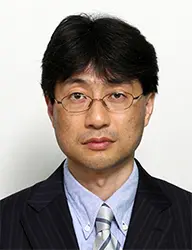 Neurologist and Professor, Department of Biological Sciences for Intractable Neurological Diseases, Institute for Biomedical Sciences, Shinshu University, Matsumoto, Japan.
Professor Masahide Yazaki graduated from Shinshu University School of Medicine, Matsumoto, Japan (M.D.) in 1992 and he graduated from the Graduate School of Medicine, Shinshu University in 1998 (Ph.D.). He worked as a neurologist in Shinshu University Hospital. In 1999, he moved to Department of Pathology and Lab Medicine, Indiana University, USA as a postdoctoral fellow to study the pathogenesis of protein-misfolding disease such as amyloidosis. He returned to Shinshu University in 2002, and became Associate Professor, Department of Neurology and Rheumatology, Shinshu University School of Medicine in 2011. In 2014, when the Institute for Biomedical Sciences was established in Shinshu University, he moved to Department of Biological Sciences for Intractable Neurological Diseases, Institute for Biomedical Sciences as an Associate Professor. There, he is continuing basic and clinical research on amyloidosis and citrin deficiency. In 2017, he was promoted to be a Professor at the School of Health Sciences and Institute for Biomedical Sciences, Shinshu University.
To date, Professor Yazaki has performed clinical and pathological studies of CTLN2 patients in Japan to elucidate the clinical pictures of CTLN2 and to establish the therapeutic strategy for CTLN2 patients.
Professor Kimitoshi Nakamura

After graduating from Kumamoto University, he joined the Department of Pediatrics, Kumamoto University. After receiving his PhD, he completed fellowship training in the Biochemistry Laboratory in Faculty of Medicine, University of Alberta, Canada. He became a Research Associate at the Institute of Developmental Medicine, Kumamoto University in 2000, an Assistant Professor at the Department of Pediatrics, Kumamoto University in 2001, an Associate Professor in 2014, and a Professor in 2017.
He has been involved in research on amino acid metabolism disorders, urea cycle disorders, organic acid metabolism disorders, and lysosomal disease, as well as early diagnosis by newborn screening and treatment of pediatric intractable diseases. He is a member of the executive committee of the Genetic Medicine Seminar of the Japan Society of Human Genetics and the chairperson of the seminar committee of the Japanese Society for Inborn errors of Metabolism and is involved in post-graduate education programs.
He is the leader of the working group to develop guidelines for inborn errors of metabolism including citrin deficiency as a principal investigator of the Intractable Diseases Research Group (Nakamura Group) of the Ministry of Health, Labour and Welfare.
Dr. Yoshiyuki Okano
 Dr. Yoshiyuki Okano holds a MD from Yamaguchi University and a PhD in Medical Science from Osaka City University, Japan. He has worked on the molecular genetics of phenylketonuria in the Savio L.C. Woo laboratory at Baylor College of Medicine in Houston. After returning to Japan, he conducted clinical studies and research on congenital metabolic disorders such as neonatal mass screening, PKU, galactosemia, and citrin deficiency in Osaka City University and his clinic.
Professor Johannes Häberle
 Professor Johannes Häberle is a pediatrician, neonatologist and intensive care specialist, and a senior metabolic consultant at the University Children’s Hospital in Zürich. He is an Assistant Professor for Pediatrics at the University of Zürich, and Head of the Metabolic Laboratory at the University Children’s Hospital.
Professor Häberle is chairperson of the European working group for Guidelines for the Diagnosis and Treatment of Urea Cycle Disorders, and a member of the Executive and Scientific Boards of the European Registry and Network for Intoxication Type Metabolic Diseases (EIMD). He is Chair of the Society for the Study of Inborn Errors of Metabolism (SSIEM) Education And Training Advisory Committee (ETAC) and Council member of the SSIEM.
His research focusses on inherited defects of ureagenesis and on the development of novel treatment options for urea cycle disorders. Current projects are supported by the Swiss National Science Foundation, the University Research Priority Program (URPP) ITINERARE of the University Zürich, and other private foundations.
All publications that have been supported by the Foundation can be found on the Publications page.
Calling for Research Proposals
If you are a scientist or medical professional who is interested to study any aspects of citrin deficiency, please do not hesitate to contact us to discuss your idea or submit your proposal to us. We will be willing to fund the research if it meets our criteria after careful evaluation by our scientific committee.