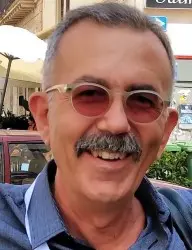
Prof. Giuseppe Fiermonte
University of Bari, Italy
Elucidating Citrin Deficiency through iPSC-Derived Hepatocyte-like Organoids and AGC2/AGC1 Rescue Strategies
Current understanding of Citrin Deficiency (CD) pathogenesis is largely derived from clinical observations and mouse models. While patient data provide valuable clinical context, they offer limited mechanistic insight; conversely, murine models often fail to recapitulate the full spectrum of human metabolic and cellular phenotypes.
To overcome these limitations, this project aims to dissect the etiopathogenesis of CD using human induced pluripotent stem cell (iPSC)-derived hepatocyte-like organoids, an advanced, human-relevant 3D platform capable of faithfully modeling most of liver-specific metabolic processes. These organoids enable dynamic investigation of disease mechanisms and therapeutic responses in a physiologically relevant context, offering a powerful alternative to animal models.
Through integrated multi-omics profiling and detailed biochemical characterization, we will interrogate the metabolic and redox imbalances underlying CD in patient-derived iPSC organoids. In parallel, we will generate AGC2⁻/⁻ genome-edited iPSCs to determine whether targeted loss of AGC2 reproduces the pathological hallmarks observed in patient-derived models. Concordant phenotypes would validate genome editing as a precise tool for modeling CD-associated mutations and exploring genotype–phenotype relationships.
Finally, we will test whether AGC2 or its paralog AGC1 can rescue the CD-associated phenotype through exogenous expression. Demonstrating functional rescue, particularly via AGC1, would provide critical proof-of-concept for therapeutic strategies aimed at inducing AGC1 expression in the liver. This research thus establishes a transformative platform for mechanistic discovery and paves the way toward novel, targeted interventions for Citrin Deficiency.
(Updated October 2025)